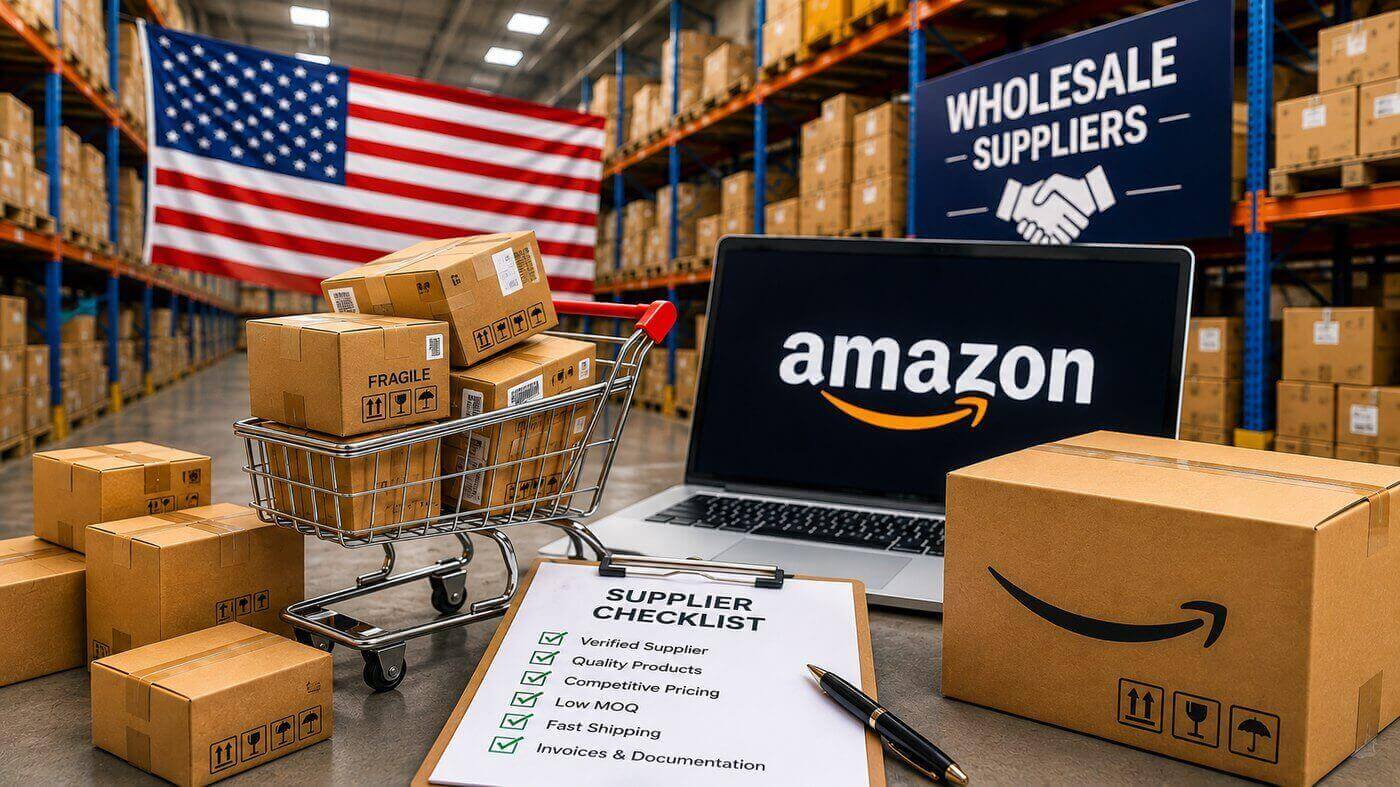
In early 2026, a small reseller in Houston turned a $600 wholesale order into nearly $4,000 in profit within six weeks. The crazy part? The products were not trendy gadgets or expensive electronics. They were simple everyday kitchen organizers most people completely ignore. The reseller found them through a domestic wholesale supplier most blogs never mention, avoided the most common beginner mistakes, and built a repeatable system that still runs today.
That story is exactly why this guide exists.
Most content about wholesale suppliers for resellers is either outdated, vague, or written by someone who has never actually placed a wholesale order. You land on a blog post expecting real answers and walk away with a recycled list of platforms you already found on Google.
This guide is different. It covers real wholesale suppliers in the USA, honest startup budgets, actual profit margin examples, platform-by-platform comparisons, scam red flags, and the specific mistakes that cost beginners thousands of dollars every year. Whether you sell on Amazon FBA, eBay, Shopify, TikTok Shop, or Facebook Marketplace, this is the most complete resource you will find in 2026.
Here is what nobody tells you: the resellers making consistent income are not chasing the cheapest prices. They are building supplier relationships before the competition even knows those suppliers exist.
1. What Are Wholesale Suppliers and Why Do Resellers Need Them?
A wholesale supplier sells products in bulk at prices below retail. You buy in volume, mark up the price, and sell to end customers at a profit. That gap between your wholesale cost and your selling price is your margin. Simple in theory. Complicated in practice.
Here is why most beginners struggle: they treat wholesale like a magic shortcut. They think buying cheap automatically means selling profitable. It does not. Shipping costs, platform fees, return rates, and storage expenses eat into margins fast. A product that costs $3 wholesale and sells for $12 retail sounds great until you add $4.50 in Amazon FBA fees, $2 in shipping, and $1 in returns. Suddenly you are making $1.50 per unit and wondering why the work is not worth it.
Understanding your total landed cost before placing any wholesale order is the single most important financial habit you can build as a reseller.
The good news: once you find reliable wholesale suppliers for resellers and understand your numbers, this business model is one of the most scalable available to everyday entrepreneurs in the USA.
2. How Much Money Do You Actually Need to Start?
This question comes up in every reseller Facebook group and Reddit thread, and the answers are all over the place. Here is an honest breakdown based on different selling channels.
| Platform | Min. Startup Budget | Avg. First Order | Recommended Budget |
| Amazon FBA | $500 | $300-$600 | $1,000-$2,000 |
| eBay | $200 | $100-$300 | $500-$800 |
| Shopify Store | $300 | $200-$500 | $800-$1,500 |
| TikTok Shop | $150 | $100-$300 | $500-$1,000 |
| Facebook Marketplace | $100 | $50-$200 | $300-$600 |
| Flea Market | $200 | $150-$400 | $600-$1,000 |
One reseller in Atlanta started her eBay business with $185 in 2025. She bought 50 units of a household cleaning tool from a domestic wholesale supplier for $3.70 each and sold them for $14.99. After fees and shipping, she netted about $7 per unit. That first batch returned $350 profit. Not life-changing money, but proof of concept before she scaled to $2,000 monthly orders.
You do not need thousands of dollars to start. You need enough to buy a testable batch, cover shipping, and pay platform fees on your first few sales.
I learned this the hard way: never put your entire starting budget into one product from one supplier. Split your first order across two or three products and at least two platforms. This protects you if one product does not sell.
3. The 8 Best Wholesale Supplier Platforms for USA Resellers in 2026
Not all wholesale platforms are created equal. Some are great for beginners with low minimum order quantities (MOQ). Others are designed for established businesses with larger purchasing power. Here is an honest breakdown of the platforms that actually work for USA-based resellers.
Alibaba
Alibaba is the largest B2B wholesale marketplace in the world. You can find almost any product imaginable, often at the lowest possible unit cost. The trade-off is risk. Products ship from overseas, usually China, and lead times of 15 to 45 days are normal. Quality varies wildly by supplier.
- Pros: Lowest unit prices, massive product selection, Trade Assurance protection
- Cons: Long shipping times, quality inconsistency, customs and import fees
- Best use case: Private label products, established sellers with cash flow buffer
- Average startup budget: $500 minimum, $1,500+ recommended
- Shipping speed: 15 to 45 days standard, 7 to 14 days express
- Risk level: Medium to High for beginners
- Profit potential: High (3x to 8x markup common on winning products)
Faire
Faire is a wholesale marketplace designed for independent brands and boutique buyers. It specializes in unique, handcrafted, and small-batch products. You will not find the cheapest prices here, but you will find differentiated products that do not appear on every other reseller platform.
- Pros: Net 60 payment terms for approved buyers, free returns on first orders, unique products
- Cons: Higher per-unit costs, primarily designed for retail stores
- Best use case: Shopify store owners, boutique sellers, gift shops
- Average startup budget: $300 to $800
- Shipping speed: 3 to 7 business days
- Risk level: Low
- Profit potential: Medium (1.5x to 3x markup)
SaleHoo
SaleHoo is a paid wholesale directory that connects resellers with vetted suppliers. The annual membership costs around $67, which is a small price for the peace of mind of knowing every supplier on the platform has been checked for legitimacy. This is one of the best resources for beginners who want to avoid scams.
- Pros: Vetted suppliers only, strong community support, training resources
- Cons: Annual fee, smaller supplier selection than Alibaba
- Best use case: Beginners, dropshippers, eBay and Amazon sellers
- Average startup budget: $267 including membership
- Shipping speed: Varies by supplier
- Risk level: Low
- Profit potential: Medium
DHgate
DHgate is similar to Alibaba but better suited for smaller order quantities. You can often order as few as 1 to 5 units on DHgate, making it ideal for product testing before committing to larger orders.
- Pros: Low MOQ, competitive pricing, buyer protection program
- Cons: Inconsistent quality, longer shipping from China
- Best use case: Product testing, eBay sellers, TikTok Shop beginners
- Average startup budget: $100 to $300
- Shipping speed: 10 to 30 days
- Risk level: Medium
- Profit potential: High on winning products
BULQ
BULQ specializes in liquidation pallets and overstock inventory from major retailers including Target, Walmart, and Amazon. This is a completely different sourcing model. You buy pallets of mixed merchandise at a fraction of retail value, sort through them, and resell individual items.
- Pros: Deeply discounted retail products, variety in each pallet, domestic USA shipping
- Cons: Unknown product condition, requires sorting and inspection time
- Best use case: eBay sellers, flea market vendors, Facebook Marketplace flippers
- Average startup budget: $200 to $500 per pallet
- Shipping speed: 3 to 7 business days
- Risk level: Medium (condition uncertainty)
- Profit potential: High on good pallets, low on poor ones
Liquidation.com
Liquidation.com is an auction-style platform for bulk liquidation inventory. You bid on lots of returned, overstock, or shelf-pull merchandise from major retailers. Profit potential is significant but so is risk if you do not know how to evaluate lots before bidding.
- Pros: Auction prices can be extremely low, wide product variety
- Cons: Bidding competition, shipping costs on heavy lots, variable condition
- Best use case: Experienced resellers, warehouse-scale operations
- Average startup budget: $300 to $1,000+
- Shipping speed: 5 to 14 business days
- Risk level: Medium to High
- Profit potential: Very High with experience
DollarDays
DollarDays is a USA-based wholesale supplier that focuses on everyday value products. Categories include personal care, household goods, school supplies, and seasonal items. Minimum orders start around $100, making it very beginner-friendly.
- Pros: USA-based supplier, low MOQ, fast domestic shipping
- Cons: Limited product range, less suitable for premium products
- Best use case: Dollar store resellers, flea market sellers, community sales
- Average startup budget: $100 to $300
- Shipping speed: 2 to 5 business days
- Risk level: Low
- Profit potential: Medium
Wholesale Central
Wholesale Central is a free directory of USA-based wholesale suppliers across hundreds of product categories. Unlike a marketplace, it connects you directly with suppliers who then handle orders through their own systems. No membership fee to browse.
- Pros: Free to use, connects to real USA suppliers, broad category coverage
- Cons: Quality of suppliers varies, requires individual vetting
- Best use case: Researching domestic suppliers across any niche
- Average startup budget: Varies by supplier
- Shipping speed: 2 to 7 business days typical
- Risk level: Low to Medium depending on supplier
- Profit potential: Medium to High
4. Wholesale Platform Quick Comparison Table
| Platform | Min. Order | Ship Speed | Risk Level | Best For |
| Alibaba | $200-$500 | 15-45 days | Medium-High | Private label, scale |
| Faire | $100 | 3-7 days | Low | Boutique, Shopify |
| SaleHoo | $67 fee | Varies | Low | Beginners |
| DHgate | $10-$50 | 10-30 days | Medium | Testing, TikTok |
| BULQ | $200-$500 | 3-7 days | Medium | eBay, flea market |
| Liquidation.com | $300+ | 5-14 days | Medium-High | Experienced sellers |
| DollarDays | $100 | 2-5 days | Low | Value products |
| Wholesale Central | Varies | 2-7 days | Low-Medium | All levels |
5. Best Wholesale Products to Sell in 2026
Product selection makes or breaks your reselling business. The wrong product ties up capital and drains your storage space. The right product turns a small investment into consistent monthly income. Here is what is actually working for resellers across the USA in 2026.
Kitchen and Home Organization
This category has been quietly dominant for three years running. Americans spend more time at home than ever, and they are obsessed with organizing their spaces. Drawer organizers, cabinet pull-out shelves, pantry containers, and stackable bins all sell well year-round on Amazon and TikTok Shop.
Wholesale cost: $2 to $6 per unit. Retail selling price: $12 to $28. Profit margin after fees: 35% to 55%.
Health and Wellness Products
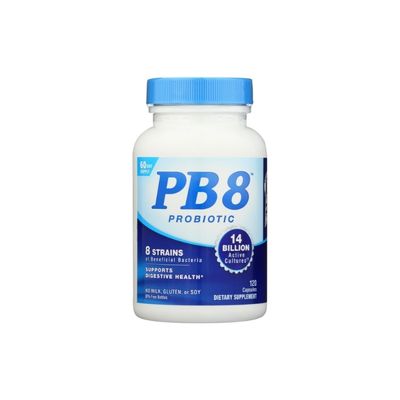
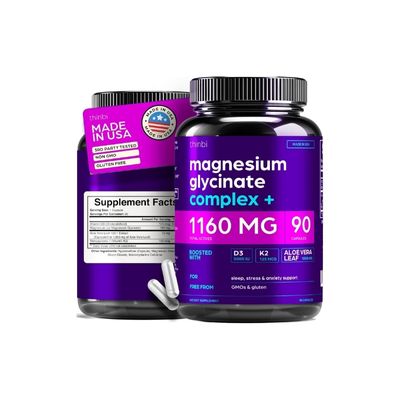
Supplements, resistance bands, massage tools, posture correctors, and sleep aids are strong performers on every major platform. The health and wellness market in the USA crossed $480 billion in 2025 and shows no signs of slowing. Buyers are motivated and repeat purchase rates are high.
Wholesale cost: $4 to $15 per unit. Retail selling price: $18 to $65. Profit margin after fees: 40% to 60%.
Car Accessories
Phone mounts, seat organizers, steering wheel covers, and interior LED lighting kits are among the most searched products on Amazon. Americans own over 290 million registered vehicles. The market is enormous, competition is manageable in specific subcategories, and shipping costs are low because most products are lightweight.
Pet Products
The USA pet industry generates over $150 billion annually. Toys, grooming tools, feeding accessories, and travel carriers for dogs and cats move quickly across all platforms. Pet owners are emotionally driven buyers who prioritize quality and return repeatedly when satisfied.
Seasonal and Holiday Products
One reseller in Texas told me he clears $12,000 in October alone selling Halloween decorations he sourced in bulk starting in July. Seasonal timing is everything. The resellers who win in this category order their inventory 60 to 90 days before the season peaks. Everyone else scrambles and overpays for rushed stock.
Baby and Toddler Products
Safety-focused baby products, developmental toys, feeding accessories, and nursery organizers perform extremely well on Amazon and in Shopify stores. Parents and grandparents are the most committed buyers in ecommerce. They research heavily, read reviews, and spend generously when they trust a product.
| Category | Avg. Wholesale Cost | Avg. Retail Price | Margin % | Trending Platform |
| Kitchen & Home Org. | $3-6 | $14-28 | 40-55% | Amazon, TikTok |
| Health & Wellness | $5-15 | $20-65 | 45-60% | Amazon FBA, Shopify |
| Car Accessories | $2-8 | $12-35 | 35-50% | Amazon, eBay |
| Pet Products | $4-12 | $18-55 | 40-60% | Amazon, TikTok Shop |
| Seasonal/Holiday | $1-5 | $8-25 | 50-70% | eBay, Facebook Mktpl. |
| Baby Products | $6-18 | $25-70 | 45-60% | Amazon, Shopify |
6. How to Find and Verify Wholesale Suppliers: A Step-by-Step Checklist
Finding a supplier is easy. Finding a trustworthy supplier who consistently delivers quality products on time is the real work. Here is the verification process that experienced resellers use before committing any capital.
Step 1: Request a Sample Order
Never place a large wholesale order without testing the product first. Order 5 to 10 units as a sample. Pay attention to packaging quality, product accuracy, shipping speed, and communication responsiveness. If the supplier resists sending samples or charges unreasonably high sample prices, walk away.
Step 2: Verify Business Legitimacy
Search the company name in the Better Business Bureau database and look for reviews on Google, Trustpilot, and Reddit. For domestic suppliers, request their business license number and verify it with the relevant state authority. For Alibaba suppliers, check their Gold Supplier status and Trade Assurance history.
Step 3: Review Return and Refund Policies
Legitimate wholesale suppliers have clear written policies for damaged goods, defective products, and order errors. If a supplier cannot provide a written policy, that is a serious warning sign.
Step 4: Start Small and Scale Gradually
Your first order with any new supplier should be a fraction of your normal purchasing budget. Prove the relationship works before increasing your order volume. One beginner in Florida ordered 300 LED products from a cheap overseas supplier without testing first. Nearly 40% arrived damaged. That single mistake cost over $1,200 and took three months to recover from.
Step 5: Track Delivery Performance
Log the delivery date, condition on arrival, and accuracy of every order. After three to five successful orders with consistent performance, you have a reliable supplier you can confidently scale with.
Most wholesale blogs get this completely wrong: they tell you to simply check reviews and move on. The truth is that reviews can be gamed. The only real verification is placing a small order and experiencing the relationship firsthand.
7. Red Flags: Wholesale Scams to Avoid in 2026
The reseller community loses millions of dollars every year to wholesale scams. Here are the warning signs every reseller must recognize.
- Prices that seem impossibly low, often 70% to 90% below market value
- Suppliers who accept only wire transfer or cryptocurrency payments
- No physical address, no phone number, and responses only by email or WhatsApp
- Stock photos that match exactly with other websites
- Pressure to place a large order immediately due to limited availability
- No sample orders available or samples that require full payment upfront
- Website domain registered within the last 6 months
- Grammar and spelling errors throughout the website and communications
- No verifiable reviews on independent platforms
- Vague or missing return policy
One common scam pattern in 2025 and 2026 involves fake liquidation pallet websites that advertise extremely low prices for Amazon return pallets. They collect payment and either send low-value junk or disappear entirely. Always buy liquidation inventory from established platforms with buyer protection like BULQ or Liquidation.com.
8. Reseller Permits, Wholesale Licenses, and Tax Basics for USA Sellers
Here is what nobody tells you about the legal side of reselling: you do not need an LLC to buy wholesale in most states, but you do need a reseller permit, also called a resale certificate or seller’s permit, to buy wholesale without paying sales tax.
A reseller permit proves to the supplier that you are purchasing for resale rather than personal use. Most wholesale suppliers require this before selling to you at wholesale prices. Applying for a reseller permit is free or very low cost in almost every state and can usually be done online through your state’s revenue or taxation department.
For Amazon FBA sellers, sales tax collection is largely handled through Amazon’s marketplace facilitator program. However, you are still responsible for understanding nexus rules in states where your FBA inventory is stored.
Practical tip: Use a free resource like TaxJar or consult a CPA who specializes in ecommerce for state-specific tax guidance. Getting this right early saves enormous headaches at tax time.
9. TikTok Shop and Viral Products: How to Source What is Trending
TikTok Shop has changed the reseller game completely. Products that would take months to gain traction on Amazon can go from unknown to sold out in 72 hours on TikTok. The challenge is sourcing trending products fast enough to profit before the market floods.
The resellers winning on TikTok Shop in 2026 are not just reacting to trends. They are watching micro-creators in specific niches, identifying products before they go viral, and pre-ordering wholesale inventory to be ready when the wave hits.
How to Spot Trending Products Before They Peak
- Follow 20 to 30 small TikTok creators in your product niche (1,000 to 50,000 followers)
- Use the TikTok Creative Center to monitor trending hashtags and product categories
- Watch for products that appear in multiple unrelated creator videos within the same week
- Check Amazon Movers and Shakers daily for products with sudden sales spikes
- Monitor Reddit communities like r/flipping, r/reselling, and r/Entrepreneur
Last Black Friday, several resellers noticed that specific LED strip lights were appearing in TikTok home decor videos at an unusual rate. Those who ordered wholesale stock in October sold out within a week of Black Friday at 4x their purchase price. Those who waited until November paid retail prices and made almost nothing.
10. Shipping, Storage, and Fulfillment Realities for USA Resellers
Shipping costs are the silent killer of reseller profit margins. Many beginners calculate their margin based on wholesale cost versus selling price and completely forget about shipping realities.
USA Domestic Shipping Options
- USPS Priority Mail: Best for small packages under 1 lb, 2 to 3 day delivery, $7 to $15
- UPS Ground: Best for medium packages 1 to 10 lbs, 2 to 5 days, $10 to $25
- FedEx Ground: Similar to UPS, slightly faster in some regions, $10 to $28
- Amazon FBA: Fulfillment outsourced to Amazon, fees vary by product size and weight
Storage Tips for Small and Mid-Size Resellers
If you are running a home-based reselling operation, storage becomes a real constraint quickly. Start with a dedicated room or section of your garage. Label everything clearly. First-in, first-out inventory rotation prevents dead stock.
When you outgrow your home storage, look into self-storage units at $80 to $200 per month. This is far more cost-effective than commercial warehouse space until you are moving $10,000 or more per month in inventory.
11. Real Reseller Case Studies: What Actually Happened
Case Study 1: The Kitchen Organizer Flip in Houston
Marcus, a part-time reseller in Houston, spent $600 on 200 units of stackable pantry organizers from a domestic wholesale supplier. His total landed cost was $3 per unit. He listed them on Amazon FBA at $19.99 and on his Shopify store at $22.99. Within six weeks, he had sold all 200 units across both platforms. After Amazon fees, shipping, and packaging, his net profit was $3,280. He reinvested all of it into his next order.
Case Study 2: The LED Pallet Mistake in Florida
A beginner reseller in Tampa bought 300 LED light strips from a low-cost overseas supplier without ordering a sample first. She paid $1.80 per unit including shipping. When the order arrived, 118 units had packaging damage severe enough to make them unsellable on Amazon. She managed to sell 60 units through Facebook Marketplace at a loss. Total cost of the mistake: approximately $1,400 in wasted inventory and lost time.
Case Study 3: The TikTok Shop Seasonal Win in Chicago
A 23-year-old reseller in Chicago started tracking TikTok beauty trends in mid-2025. He noticed silicone facial massage tools appearing repeatedly in skincare routine videos. He ordered 150 units at $4.50 each from DHgate in August. By September they were going viral. He sold all 150 units at $19.99 through TikTok Shop in 11 days. Profit after platform fees: approximately $1,800.
Case Study 4: The Liquidation Pallet Gamble in Ohio
An experienced reseller in Columbus bought three liquidation pallets from BULQ for $840 total. The pallets contained a mix of household products, electronics, and clothing. She spent two weekends sorting and photographing everything. Total items: 412. Items she could sell: 287. She listed everything across eBay and Facebook Marketplace over the following three weeks. Total revenue: $2,640. Net profit after platform fees and time investment: approximately $1,200.
12. The Biggest Mistakes Resellers Make (And How to Avoid Them)
After talking with hundreds of resellers across online communities and in-person at flea markets and seller meetups, the same mistakes come up repeatedly.
- Skipping sample orders to save $20 and losing $500 on damaged inventory
- Buying trending products after they have already peaked
- Ignoring total landed cost when calculating profit margins
- Putting all capital into a single product from a single supplier
- Not getting a reseller permit and overpaying on wholesale purchases
- Ordering too much inventory for a product that has not been tested
- Choosing a product based on low wholesale price rather than demand and competition research
- Neglecting product photography and losing sales to better-presented listings
- Failing to track inventory costs and actual net profit per product
- Giving up after one or two failed products instead of treating failures as research
I learned this the hard way: profit margin math done wrong costs you money every single order. Build a simple spreadsheet that calculates total landed cost including shipping, platform fees, returns buffer, and storage before you place any order.
13. Frequently Asked Questions About Wholesale Suppliers for Resellers
What are the best wholesale products to sell in 2026?
Home organization, health and wellness products, car accessories, pet supplies, and seasonal items are among the strongest performing categories in 2026. Products that solve specific everyday problems and photograph well tend to outperform across all major selling platforms.
Are cheap wholesale suppliers safe?
Price alone is not a reliable indicator of safety or quality. Many legitimate suppliers offer competitive pricing. Always verify suppliers through sample orders, business license checks, and independent reviews before committing to large orders.
How much money do I need to start reselling?
You can start with as little as $150 to $300 for platforms like TikTok Shop or Facebook Marketplace. For Amazon FBA, plan for $1,000 to $2,000 to cover inventory, fees, and initial listing costs. The more you start with, the faster you can scale, but starting small and learning the business is smarter than starting big and making expensive mistakes.
Can I buy wholesale without an LLC?
Yes, in most states you can buy wholesale as a sole proprietor. You will need a reseller permit in your state, which does not require an LLC to obtain. However, forming an LLC provides liability protection that becomes important as your business grows.
Which wholesale suppliers ship fast in the USA?
DollarDays, Faire, Wholesale Central domestic suppliers, and BULQ all offer fast domestic shipping with typical delivery times of 2 to 7 business days. For the fastest results, prioritize USA-based suppliers over overseas sources.
Is Alibaba safe for beginners?
Alibaba can be used safely by beginners with proper precautions. Always use Trade Assurance, order samples before bulk orders, verify supplier Gold status and transaction history, and never pay outside the Alibaba platform. Start with small orders and increase volume only after building a trusted relationship.
What products have the highest resale margins?
Health and wellness products, pet accessories, and home organization items consistently deliver the highest margins at 40% to 65% net after fees. Seasonal products can hit 50% to 75% margins when timed correctly. Electronics and clothing typically offer lower margins due to high competition and return rates.
Can I resell products on Amazon legally?
Yes, reselling is completely legal on Amazon. You need to comply with Amazon’s seller policies, which include not misrepresenting products, accurately describing condition, and having invoices or purchase receipts available if Amazon requests them for account verification purposes.
What are the biggest reseller mistakes?
The most costly mistakes are skipping sample orders, buying trending products after the peak has passed, miscalculating margins by ignoring total landed cost, and putting all capital into one untested product. Building discipline around these four areas alone will put you ahead of 80% of beginning resellers.
How do I find viral TikTok products wholesale?
Follow micro-creators in your niche before products trend. Use TikTok’s Creative Center to monitor trending sounds and products. Watch Amazon Movers and Shakers for spikes. When you identify a product with growing momentum, source it immediately from DHgate or Alibaba for product testing before it peaks.
Conclusion: Your Next Steps as a USA Reseller in 2026
The reseller market in 2026 is both more competitive and more accessible than it has ever been. More platforms, more supplier options, and more tools exist today than at any point in ecommerce history. That is an advantage if you use it correctly. It is a distraction if you let it overwhelm you.
Here is an honest prediction: the resellers who build consistent income over the next 12 months will not be the ones with the most products or the largest followings. They will be the people who master one sourcing channel, test systematically, build two or three reliable supplier relationships, and reinvest profits instead of spending them.
Your action plan starts here. Choose one platform. Pick one product category. Order one sample batch. Test it on one selling channel. Analyze what worked and what did not. Then repeat with the improvements. This is how every successful reselling business in the USA was built, one tested order at a time.
The resellers making real money in 2026 are not chasing every viral product. They are building reliable supplier relationships before everyone else catches on.
The tools, platforms, and strategies in this guide give you everything you need to start, scale, and sustain a profitable wholesale reselling business in the USA. The only variable left is you.
Which wholesale category are you planning to start with? Drop your thoughts below and tell the community what product niche you are targeting in 2026.